
Bone GraftingIn Shelton
Our team specializes in bone grafting procedures that rebuild the foundation for lasting dental health, restoring both form and function with precision and care.
Rebuilding the foundation
What is bone grafting?
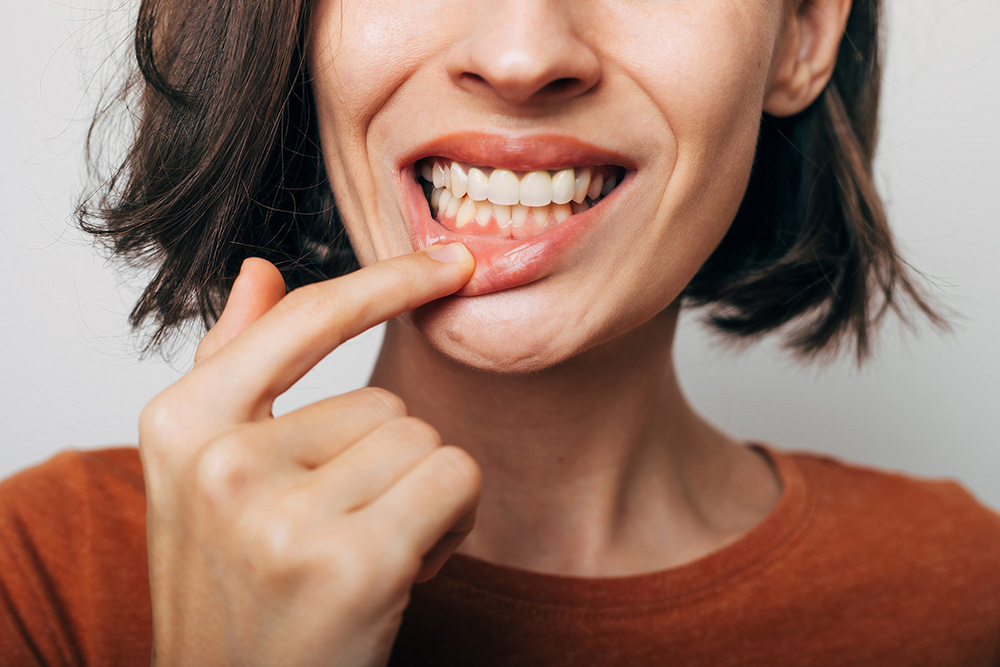
Bone grafting is a surgical procedure that restores lost or insufficient bone in the jaw, creating the volume and density needed to support dental implants. When a tooth is lost, extracted, or compromised by bone loss, the surrounding jawbone can begin to shrink and deteriorate over time without the stimulation of a tooth root to maintain it. Bone grafting halts that process and actively rebuilds what has been lost, opening up treatment options that might otherwise not be possible. At Waypoint Periodontics, there is a genuine passion for hard tissue reconstruction work — being able to rebuild bone and restore form and function is one of the most rewarding aspects of the surgical practice here, because of the meaningful, long-term impact it has on patients' health and confidence. Every bone grafting procedure at Waypoint Periodontics is guided by precise three-dimensional imaging and a biology-driven approach that prioritizes your body's natural healing capacity. Each case is carefully evaluated and a personalized plan is developed based on your anatomy, your goals, and the clinical requirements of your situation.
Socket preservation (ridge preservation)
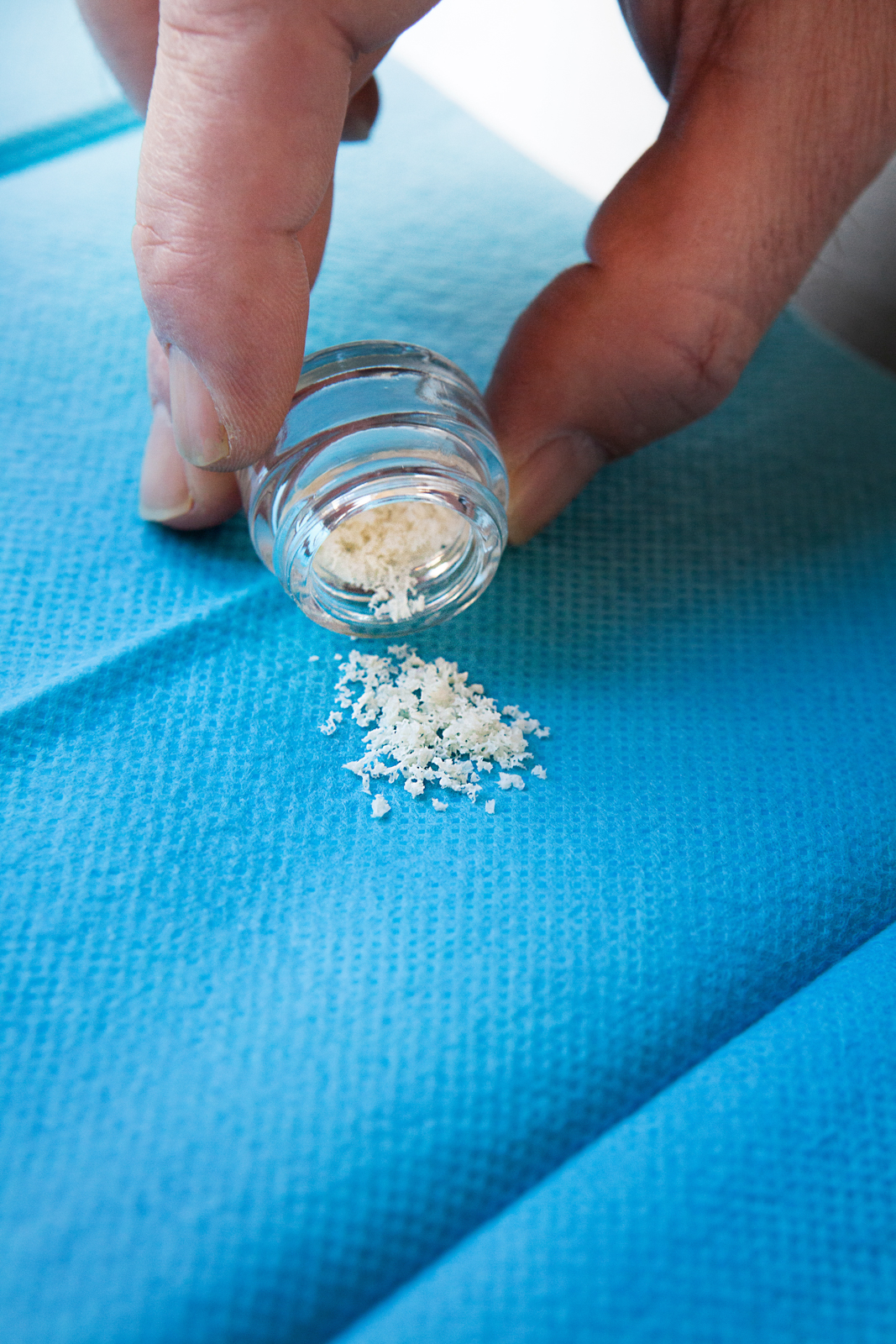
Socket preservation, also called alveolar ridge preservation, is a bone grafting procedure performed at the time of tooth extraction to protect and maintain the bone that would otherwise begin to shrink in the weeks and months following tooth removal. Without this step, a significant amount of the surrounding bone volume may be lost during the first year, potentially complicating future implant placement.
During socket preservation, the extraction site is filled with bone grafting material and covered with a protective membrane to support the body’s natural regenerative process. This helps the area heal with adequate bone volume, preserving your options for a dental implant or another restorative treatment in the future. Dr. Lav has published an educational course on socket preservation and bone augmentation procedures, and that depth of knowledge informs the thoughtful, evidence-based approach she brings to every case.

Ridge augmentation
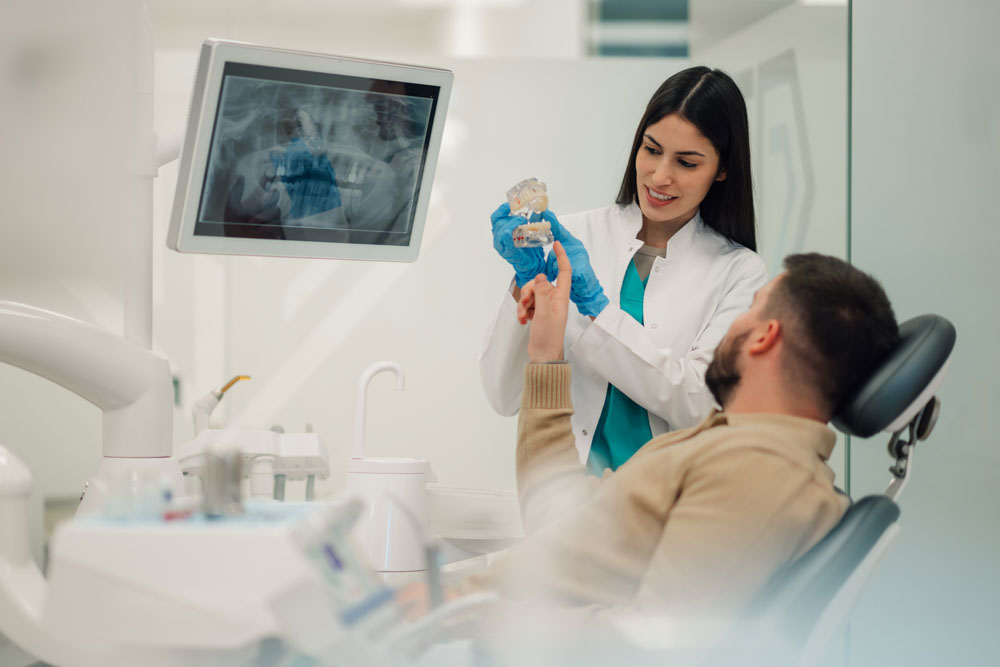
Ridge augmentation is a bone grafting procedure used to rebuild the height and width of the jawbone after significant bone loss has already occurred, whether from tooth loss, periodontal disease, trauma, or prolonged denture use. When the ridge has collapsed or narrowed to the point where implant placement is not yet feasible, augmentation restores the necessary volume to make it possible. Our team approaches ridge augmentation with the same passion that drives all hard tissue reconstruction work here — the ability to rebuild bone and restore form and function has a lasting impact that goes far beyond the surgical chair. Each case is carefully planned using CBCT imaging, and the approach is tailored to the specific anatomy and goals of the patient. After a healing period during which the graft integrates with the existing bone, most patients are ready to move forward with implant placement on a timeline that works for them.

Sinus lifts
When bone height in the upper jaw is insufficient to support implants, a sinus lift, also called a sinus augmentation, may be needed before placement can occur. This procedure involves gently lifting the sinus membrane and adding bone graft material to the area to create the necessary volume. Our team performs lateral sinus augmentations regularly and brings a genuine passion for this type of hard tissue reconstruction work. With careful planning using CBCT imaging, your sinus anatomy is assessed in detail and the procedure is approached with precision and confidence. Most patients are surprised by how manageable the process is, and we will walk you through exactly what to expect at every stage.

The bone grafting process


.jpg)
Compassionate care before and after your surgery
From personalized preparation to recovery guidance, our dedicated team ensures you feel informed, comfortable, and cared for throughout your entire journey.
.webp)
Frequently asked questions
Find clear, straightforward answers to the questions we hear most often about bone grafting below.
In most cases, yes. Many patients who have experienced significant bone loss are still strong candidates for bone grafting, and the procedure is specifically designed to address exactly that situation. The extent of the loss, the location, and your overall health will all factor into the approach we recommend. Our team will evaluate your anatomy carefully using three-dimensional CBCT imaging before making any recommendations, and we will always give you an honest assessment of what is possible and what the expected outcomes are for your specific case.
Most patients are surprised by how manageable the bone grafting experience actually is. The procedure is performed under local anesthesia, and sedation options including nitrous oxide and oral conscious sedation are available for patients who want additional support. Post-operative discomfort is typically mild to moderate and resolves within one to two weeks with proper care. Our team will walk you through detailed recovery instructions and is available to answer any questions that come up during the healing process.
Healing timelines vary depending on the type and extent of the grafting procedure, the location in the jaw, and your individual biology. In general, most patients require a healing period of three to six months before the graft has integrated sufficiently to support implant placement. Our team will use follow-up imaging to confirm that healing is progressing well and will let you know when the time is right to move forward. We are transparent about timelines from the very beginning so you can plan accordingly.
Still Have Questions?
We are happy to talk through anything that is on your mind. Give us a call to get more information or to schedule your consultation.