
Gum GraftingIn Shelton
Our team brings a level of artistry and technique-sensitivity to soft tissue grafting that ensures longterm results.
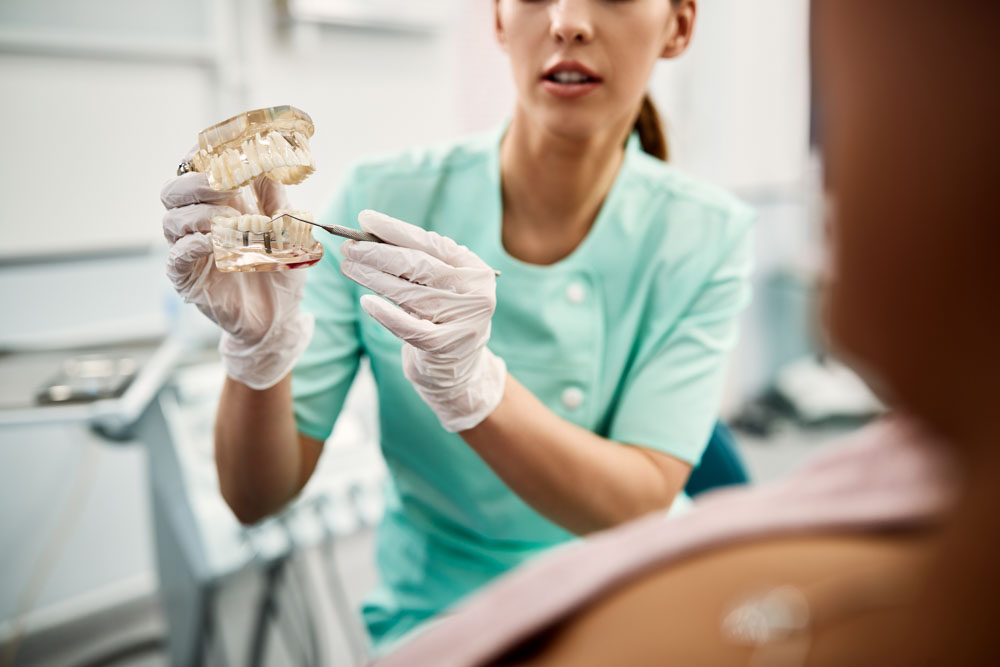
Restoring what recession has taken
What is gum grafting?
Gum grafting is a surgical procedure that restores gum tissue that has been lost due to recession—often as a vital component of overall periodontal disease treatment—protecting exposed tooth roots and improving the overall appearance of the gumline. When the gums recede, the roots of the teeth become vulnerable to sensitivity, decay, and further tissue loss, and the smile can take on an uneven or aged appearance. Soft tissue grafting addresses both of these concerns at once, rebuilding the gumline in a way that is functionally protective and visually natural. Every graft is planned and executed with meticulous attention to tissue handling, blood supply, and esthetic outcome, because the details matter enormously in soft tissue surgery. At Waypoint Periodontics, you can trust that your care is in the hands of a specialist who is genuinely invested in the result.

Protection, confidence, and lasting results
Gum grafting delivers results that go well beyond the surface. Whether you are seeking relief from sensitivity, protection for your tooth roots, or a more balanced and confident smile, soft tissue grafting offers lasting benefits that address the full picture of your gum health.
Protection for exposed roots
When gum tissue recedes, the underlying root surface is left vulnerable to bacteria, decay, and sensitivity. A gum graft covers and protects those exposed roots, reducing discomfort and guarding against further damage.
A more natural, balanced smile
Gum recession can make teeth appear longer than they should or create an uneven gumline that affects the overall appearance of the smile. Grafting restores a more natural, symmetrical look that many patients find genuinely transformative.
Long-term stability for your gum tissue
Grafting does not just restore what has been lost, it also reinforces the gumline to help prevent further recession in the future. With proper care and maintenance, the results are lasting and durable.
Connective tissue graft
The connective tissue graft is the most commonly performed type of gum graft and is often considered the gold standard for treating recession. During the procedure, our team takes a small amount of tissue from beneath the surface layer of the palate and uses it to cover the areas of recession at the recipient site. Because the tissue is harvested from just beneath the outer layer of the palate rather than removing the surface itself, healing at the donor site is typically more comfortable than with older techniques. The grafted tissue integrates with the existing gum tissue over time, building a thicker, more resilient gumline that protects the tooth root and improves the overall appearance of the smile. Our team approaches every connective tissue graft with the same precision and esthetic intention she brings to all of her soft tissue work, and the results consistently reflect that care.
Free gingival graft
A free gingival graft is used primarily to increase the zone of attached, keratinized gum tissue around a tooth, which is important for long-term stability and resistance to further recession. In this technique, a thin strip of tissue is taken directly from the surface of the palate and placed at the recipient site to widen and reinforce the gumline. This type of graft is particularly useful in areas where there is minimal attached tissue and a higher risk of continued recession without intervention. While the free gingival graft is more functional in nature than esthetic, it plays an important role in protecting teeth that might otherwise continue to lose gum support over time. Our team will evaluate your anatomy carefully and recommend the grafting technique that is best suited to your specific clinical needs.
Connective tissue grafts and alternative graft options
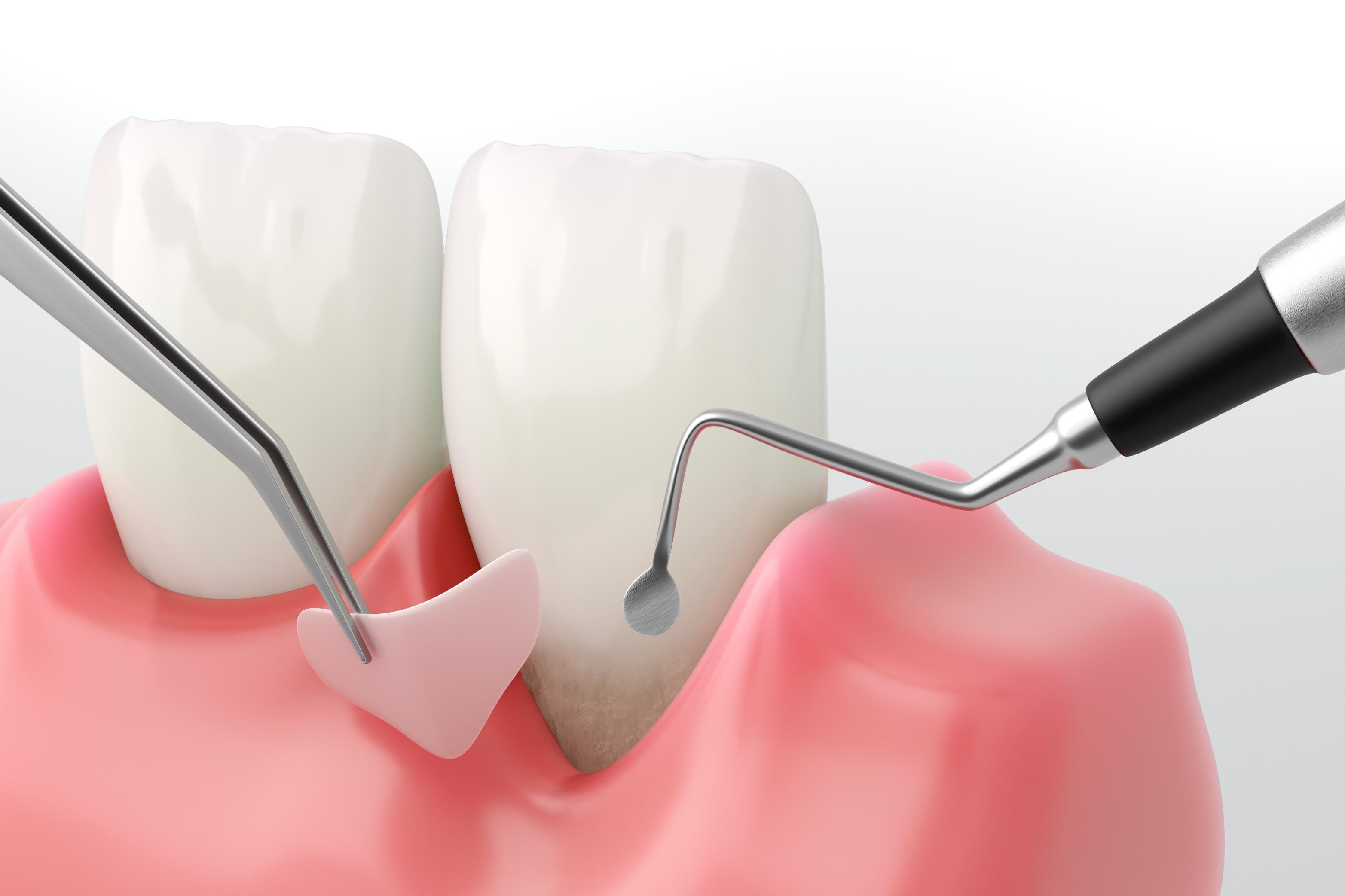
In cases of gum recession, our team often uses connective tissue grafts, where grafting material is used to restore lost gum tissue. Various graft options are available, including allografts (donor tissue) or xenografts (tissue from a different species), providing flexibility depending on the needs of each case. Our team carefully evaluates each patient's unique situation—assessing the amount of healthy tissue, bone structure, and overall gum health—to determine the best approach. Whether using your own tissue or a graft material, the goal is to restore the gum line and protect exposed tooth roots, enhancing both the aesthetic and functional outcome. Our team's careful planning and choice of graft material ensure optimal healing and long-term results.
The gum grafting process


.jpg)
Compassionate care before and after your surgery
From personalized preparation to recovery guidance, our dedicated team ensures you feel informed, comfortable, and cared for throughout your entire journey.
.webp)
Frequently asked questions
Find honest answers to the questions we hear most often about gum grafting below.
Gum recession can result from a number of factors, including periodontal disease, aggressive tooth brushing, thin gum tissue, teeth grinding, orthodontic movement, or simply genetics. In many cases, recession develops gradually over time and may not become noticeable until it has already progressed. That is why regular monitoring by a periodontist is important, especially if you have a history of gum issues or a naturally thin gum tissue type. Our team will evaluate the cause of your recession as part of your consultation so that any underlying contributing factors can be addressed alongside the grafting procedure.
Most patients are surprised by how manageable the gum grafting experience actually is. The procedure is performed under local anesthesia, and nitrous oxide and oral conscious sedation are available for patients who want additional support. Post-operative discomfort at both the graft site and the donor site on the palate is typically mild to moderate and resolves within one to two weeks with proper care. Our team will walk you through exactly what to expect during recovery and provide detailed instructions to help keep you comfortable throughout the healing process.
When performed by a skilled periodontist and followed by consistent maintenance care, gum graft results are long lasting. The grafted tissue integrates with your existing gum tissue and becomes a permanent part of your gumline over time. That said, maintaining good oral hygiene habits, using proper brushing technique, and staying current with periodontal maintenance visits are all important factors in protecting your results and preventing future recession. Our team will work with you to address the underlying causes of your recession so that the conditions that led to it in the first place are less likely to recur.
Still Have Questions?
We are happy to talk through anything that is on your mind. Give us a call to get more information or to schedule your consultation.